Fence Planning Guide: Materials, Posts, Gates & Cost
A good fence does more than mark a property line. It can provide privacy, define the backyard, contain pets, improve security, and create a finished look. Before you buy materials, learn how to plan fence height, materials, posts, gates, layout, and budget.
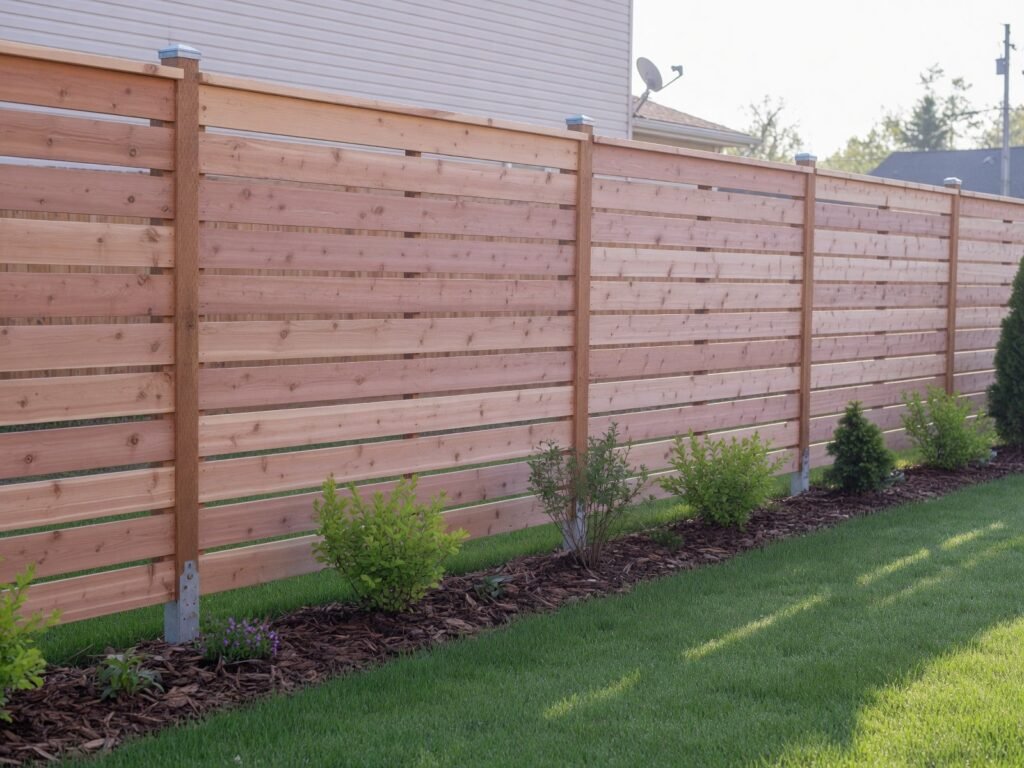
A fence can completely change how a backyard looks and functions.
It can create privacy, keep pets contained, define a garden, protect an outdoor living area, or simply give the property a more finished appearance.
But fencing is one of those projects where a little planning can save a lot of money.
The total project isn’t just the price of the fence panels.
You also need to think about:
- Posts
- Gates
- Hardware
- Ground conditions
- Property boundaries
- Removal of an existing fence
- Labor
- Access
- Local requirements
Before you start digging post holes, work through the plan.
Start With the Purpose of the Fence
The best fence material depends partly on what you want the fence to accomplish.
Privacy
If your main goal is privacy, you’ll likely want a fence with relatively few gaps and enough height to block the relevant sightlines.
Pet containment
For pets, the important factors may be height, spacing, and whether the animal can dig or climb underneath or over it.
Garden protection
A garden fence may not need the same height or construction as a full property boundary.
Decorative boundary
If you mainly want to define the edge of the property, a shorter or more open design may be enough.
Security
Security fencing requires more attention to gates, access, height, hardware, and visibility.
Start with the purpose before choosing the material.
Check the Property Boundary First
One of the most important steps happens before purchasing any materials.
Make sure you understand where your property boundary actually is.
Don’t assume an existing fence is exactly on the legal property line.
Depending on your location and circumstances, you may need to check:
- Property documents
- Existing survey information
- Local requirements
- Easements
- Shared boundaries
If you’re uncertain, get appropriate local advice before construction.
Moving an entire fence after installation can be considerably more expensive than confirming the layout beforehand.
Measure the Fence Line
Once you understand the boundary, measure the proposed fence line.
Record:
- Total length
- Corners
- Changes in direction
- Gates
- Slopes
- Obstacles
- Existing structures
Don’t simply measure the front-to-back dimensions of the yard.
Walk the actual proposed fence line.
Trees, retaining walls, sheds, utility equipment, and changes in elevation can all affect the installation.
Choose the Right Fence Material
There isn’t one best fence material for every backyard.
Each option involves tradeoffs.
Timber Fencing
Timber is popular because it can provide a natural appearance and works with many backyard styles.
Potential advantages include:
- Natural appearance
- Flexible design
- Easy to paint or stain
- Many style options
Consider:
- Maintenance
- Moisture exposure
- Termite or pest concerns where relevant
- Expected lifespan
- Quality of the timber
A well-maintained timber fence can look excellent, but it shouldn’t be treated as maintenance-free.
Metal Fencing
Metal fencing can provide durability and a more open appearance.
Depending on the product, it can work well for:
- Security
- Pool boundaries
- Decorative boundaries
- Modern landscapes
The exact maintenance requirements depend on the material and finish.
Vinyl or Composite Options
These products can offer a relatively low-maintenance alternative to traditional timber.
However, initial costs and appearance vary considerably between products.
Look at the complete system rather than judging a material based only on the panel price.
Masonry or Brick
Masonry can provide excellent privacy and a substantial visual presence.
But it also tends to involve considerably more construction work than a simple fence system.
Consider:
- Foundation requirements
- Structural design
- Drainage
- Site access
- Local requirements
- Professional installation
A masonry boundary is a significant project, not simply a larger version of a timber fence.
Fence Height Matters
The right height depends on the purpose of the fence and local requirements.
A privacy fence needs to block relevant views.
A garden fence may only need to discourage animals.
A decorative boundary may intentionally remain relatively low.
Don’t automatically choose the tallest possible fence.
A taller fence can:
- Cost more
- Require stronger posts
- Create more wind load
- Change the appearance of the backyard
- Affect neighboring properties
Choose the height based on what you actually need.
Plan the Posts Before the Panels
Posts are one of the most important structural components of the fence.
The fence panels or boards may create the visible surface, but the posts provide much of the support.
Post spacing depends on:
- Fence system
- Material
- Height
- Wind exposure
- Ground conditions
- Manufacturer recommendations
Don’t simply choose spacing because it looks convenient.
Follow the requirements for the specific fence system you’re installing.
Corner Posts Need Special Attention
Corners aren’t just another section of fence.
They often carry additional loads because the fence changes direction.
Make sure your design accounts for:
- Corner posts
- End posts
- Gate posts
- Changes in direction
Gate posts in particular may need additional strength because they support moving loads.
Gates Are Part of the Fence
It’s easy to focus on the long straight runs and forget about gates.
Before ordering materials, decide:
- How many gates?
- Where should they go?
- How wide should they be?
- Which direction should they open?
- What hardware is required?
- Will equipment need to pass through?
A gate that is convenient for everyday walking may not be wide enough for lawn equipment, wheelbarrows, or future maintenance access.
Think about what you’ll need to move through the gate over the next several years.
Don’t Forget Ground Conditions
Fence installation can become much more complicated when the ground is difficult.
Potential challenges include:
- Rock
- Tree roots
- Very hard soil
- Poor drainage
- Sloping terrain
- Existing concrete
If you’re getting a contractor quote, ask whether difficult ground conditions are included or treated as additional work.
This is one reason two fence quotes can look very different even when they appear to cover the same length.
Sloping Ground Changes the Design
A fence doesn’t always follow a perfectly level yard.
If your property slopes, you’ll need to decide how the fence follows the terrain.
Common approaches include:
Stepping
Each fence section is installed at a different level.
Racking
The fence follows the slope more continuously.
The appropriate method depends on the fence system and the severity of the slope.
Don’t finalize your material quantities until you’ve considered the terrain.
Think About Privacy From Both Directions
If you’re building a privacy fence, stand in the yard and look outward.
Then stand outside and look inward.
Consider:
- Neighboring windows
- Second-story views
- Roads
- Footpaths
- Outdoor seating
- Your own house windows
A fence can block one sightline while leaving another completely open.
The goal isn’t simply to build a tall wall.
It’s to solve the specific privacy problem.
Include the Fence in Your Backyard Design
A fence can become one of the largest visual elements in a backyard.
That means it should work with the rest of the landscape.
Think about:
- House exterior
- Patio materials
- Garden style
- Planting
- Outdoor furniture
- Existing structures
A simple fence can look much more attractive when surrounded by thoughtful planting.
Climbing plants and narrow garden beds can also soften large uninterrupted fence surfaces.
Budget the Complete Fence
Don’t calculate the project using only the price per panel.
Your budget may include:
| Component | Include? |
|---|---|
| Fence panels/boards | ✓ |
| Posts | ✓ |
| Concrete or footing materials | ✓ |
| Gates | ✓ |
| Hinges | ✓ |
| Locks/latches | ✓ |
| Fasteners | ✓ |
| Removal | If required |
| Delivery | Check |
| Labor | If hiring |
| Cleanup | Check |
A low-cost panel can become an expensive fence once everything else is added.
How to Compare Fence Quotes
If you’re hiring a contractor, ask for a quote that clearly explains the scope.
Ideally, you should know:
- Total fence length
- Fence height
- Material
- Post type
- Gate count
- Gate size
- Removal requirements
- Installation method
- Labor
- Disposal
- Warranty
- What happens if ground conditions change
This makes it easier to compare different contractors.
The cheapest quote isn’t necessarily the best value if important components are missing.
Should You DIY a Fence?
Simple fence projects can be suitable for experienced DIY homeowners.
But don’t underestimate the work.
Fence installation can involve:
- Accurate layout
- Heavy materials
- Post-hole digging
- Leveling
- Concrete
- Cutting
- Gate installation
A small mistake in the first few posts can create alignment problems across the entire fence.
For complex terrain, large projects, structural fencing, or uncertain property boundaries, professional help may be worthwhile.
Plan Before You Buy
Before placing an order, create a simple fence plan.
Mark:
Property boundary
↓
Fence runs
↓
Corners
↓
Gate locations
↓
Post locations
↓
Changes in elevation
↓
Obstacles
Then calculate the material quantities.
This is much easier than trying to figure everything out after materials arrive.
Final Takeaway
A successful fence project starts long before the first post hole is dug.
Decide what the fence needs to accomplish, confirm the property boundary, measure the actual fence line, choose a suitable material, plan gates and posts, and account for terrain and ground conditions.
Most importantly, price the complete system, not just the visible panels.
A few hours of planning can prevent a very expensive fence mistake.
Final Takeaway
Use the guidance above as a practical starting point, then adjust for your space, climate, materials, and project goals.