How to Get Rid of Weeds Without Ruining Your Lawn
Weeds often appear when a lawn is thin, stressed, or struggling to compete. Learn how to identify common lawn weeds, improve growing conditions, remove weeds effectively, and create a healthier lawn that naturally resists future weed problems.
Every lawn gets weeds.
Even well-maintained lawns occasionally deal with unwanted plants that seem to appear overnight.
The mistake many homeowners make is focusing entirely on killing weeds while ignoring the reason those weeds appeared in the first place.
A healthy, dense lawn is one of the best natural defenses against weed growth.
Instead of asking:
“How do I kill every weed?”
it’s often better to ask:
“Why are weeds thriving here?”
Once you understand that, long-term control becomes much easier.
Why Weeds Appear in Lawns
Weeds usually take advantage of opportunities.
They often establish themselves when grass is:
- Thin
- Damaged
- Stressed
- Poorly watered
- Improperly mowed
- Growing in compacted soil
- Competing with trees
- Struggling in shade
A dense lawn leaves less space for weeds to establish.
A weak lawn creates openings that weeds can quickly fill.
Identify the Weed First
Not all weeds are the same.
Different weeds have different growth habits, life cycles, and control methods.
Before doing anything, identify what you’re dealing with.
Common lawn weeds include:
Broadleaf weeds
Often have wider leaves and stand out visually against grass.
Grassy weeds
Can blend into the lawn and may be harder to identify.
Annual weeds
Complete their life cycle within a year.
Perennial weeds
Can return year after year if not properly controlled.
Knowing the weed type helps determine the best approach.
Start With Lawn Health
The healthiest lawns naturally compete better against weeds.
Focus on:
- Proper mowing
- Correct watering
- Overseeding thin areas
- Improving soil health
- Reducing compaction
- Selecting appropriate grass
If the lawn remains thin and unhealthy, weeds will often continue returning.
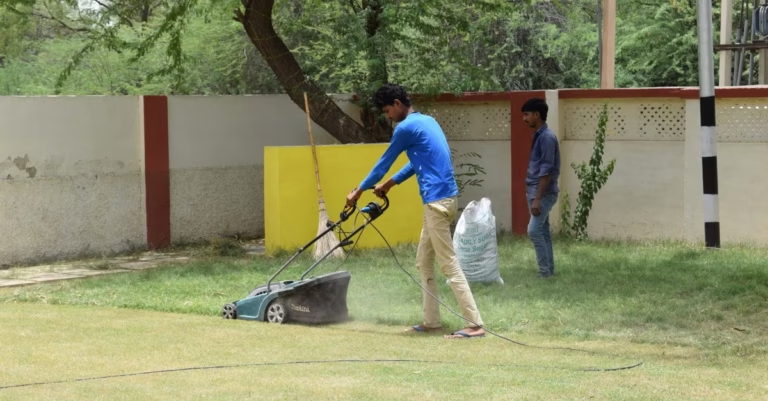
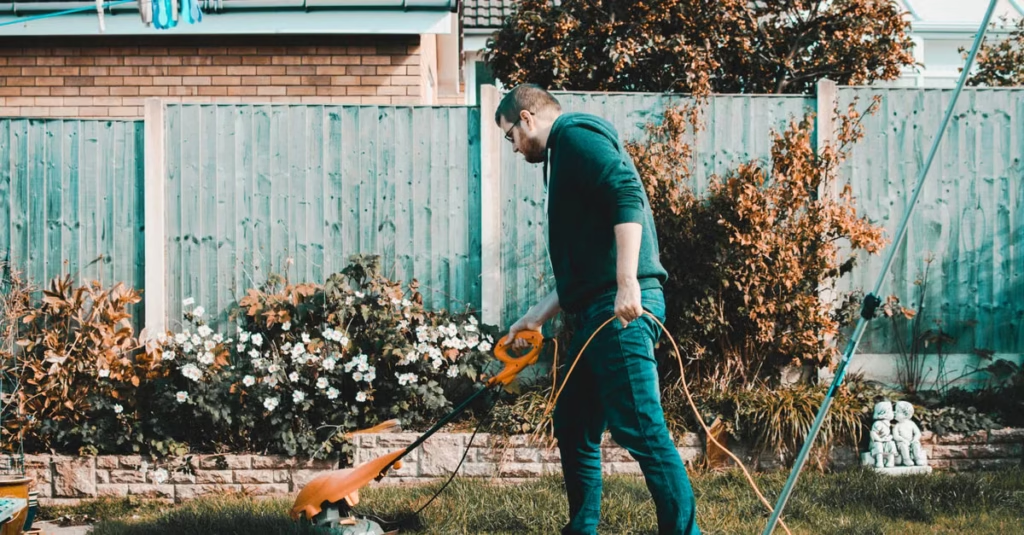
Mow Properly
Mowing affects more than appearance.
Grass that is consistently cut too short may become stressed.
Short grass also allows more sunlight to reach the soil surface, which can encourage weed germination.
Follow the recommended mowing height for your grass type.
A healthy canopy can help shade the soil and reduce opportunities for weeds.
Water Correctly
Watering habits can influence both grass and weed growth.
Too little water can stress the lawn.
Too much water can create other issues.
The goal is to maintain healthy grass rather than creating conditions that favor weeds.
Check soil moisture regularly and adjust watering according to weather and season.
Overseed Thin Areas
Bare or thin areas often become weed hotspots.
If grass coverage is poor, consider overseeding suitable areas.
A thicker lawn creates more competition and reduces available space for unwanted plants.
This approach focuses on strengthening the lawn rather than only removing weeds.
Hand-Pulling Weeds
For small weed problems, hand removal can be effective.
This works best when:
- Weed populations are low
- The soil is slightly moist
- Roots can be removed successfully
Try to remove as much of the root system as possible when practical.
Simply removing the visible leaves may not prevent regrowth in some species.
Address Soil Compaction
Compacted soil can make it difficult for grass roots to thrive.
Weak grass often leaves openings for weeds.
If compaction is contributing to lawn problems, improving soil conditions may help strengthen the grass and reduce future weed pressure.
Look for signs such as:
- Poor drainage
- Hard soil
- Thin grass
- Reduced growth
Improve Bare Areas Quickly
Whenever a patch of lawn becomes bare, treat it as an opportunity for weeds.
Bare soil rarely stays empty for long.
Repair damaged areas promptly by:
- Correcting the cause
- Preparing the soil
- Reseeding where appropriate
- Maintaining adequate moisture
The faster healthy grass returns, the less opportunity weeds have to establish.
Watch for Shade Problems
Some lawns struggle beneath large trees or structures.
If grass cannot thrive because of limited sunlight, weeds may move in.
In these situations, simply removing weeds may not solve the problem.
You may need to reconsider:
- Grass selection
- Planting choices
- Ground covers
- Landscape design
The goal is to create a planting system that actually suits the location.
What About Weed Control Products?
Various weed-control products are available.
Before using any product:
- Correctly identify the weed
- Read the label carefully
- Follow instructions exactly
- Understand where and when it should be used
Different products are designed for different situations.
A product appropriate for one weed may not be suitable for another.
Always follow product directions and local regulations.
Avoid the “More Is Better” Mindset
One of the most common mistakes is assuming that using more weed-control product will produce better results.
This can create unnecessary risks and may not improve effectiveness.
Follow application instructions carefully.
Applying more than recommended is rarely the solution.
Don’t Ignore Lawn Stress
Sometimes weeds are only a symptom.
The real problem may be:
- Drought stress
- Poor soil
- Drainage issues
- Heavy traffic
- Shade
- Improper mowing
Removing weeds without correcting those conditions often leads to the same problem returning.
Think long term.
Common Lawn Weeding Mistakes
Mistake 1: Treating weeds without identifying them
Different weeds require different approaches.
Mistake 2: Ignoring the lawn itself
A weak lawn invites future weed problems.
Mistake 3: Mowing too short
This can increase stress and reduce competition.
Mistake 4: Leaving bare soil exposed
Empty space quickly attracts new weeds.
Mistake 5: Expecting instant results
Improving lawn health takes time.
Mistake 6: Focusing only on products
Long-term success comes from improving growing conditions.
Build a Weed-Resistant Lawn
Instead of constantly fighting weeds, build conditions that favor grass.
Focus on:
✓ Proper mowing
✓ Consistent watering
✓ Healthy soil
✓ Overseeding thin areas
✓ Reducing compaction
✓ Appropriate grass selection
✓ Prompt repair of damaged spots
The stronger the lawn becomes, the fewer opportunities weeds have.
A Simple Weed-Control Checklist
Before treating weeds:
☐ Identify the weed
☐ Check lawn health
☐ Inspect soil condition
☐ Evaluate mowing practices
☐ Review watering habits
☐ Repair bare areas
☐ Read product labels carefully
☐ Follow instructions exactly
☐ Monitor results
☐ Address the underlying cause
Final Takeaway
Weeds are often a sign that the lawn has space available for them to grow.
Instead of focusing only on removal, focus on creating a healthier lawn.
A dense, well-maintained lawn naturally competes against many common weeds and makes future problems easier to manage.
The best weed-control strategy is often growing stronger grass.
Final Takeaway
Use the guidance above as a practical starting point, then adjust for your space, climate, materials, and project goals.