What to Put in the Bottom of a Raised Garden Bed: 7 Essential Tips
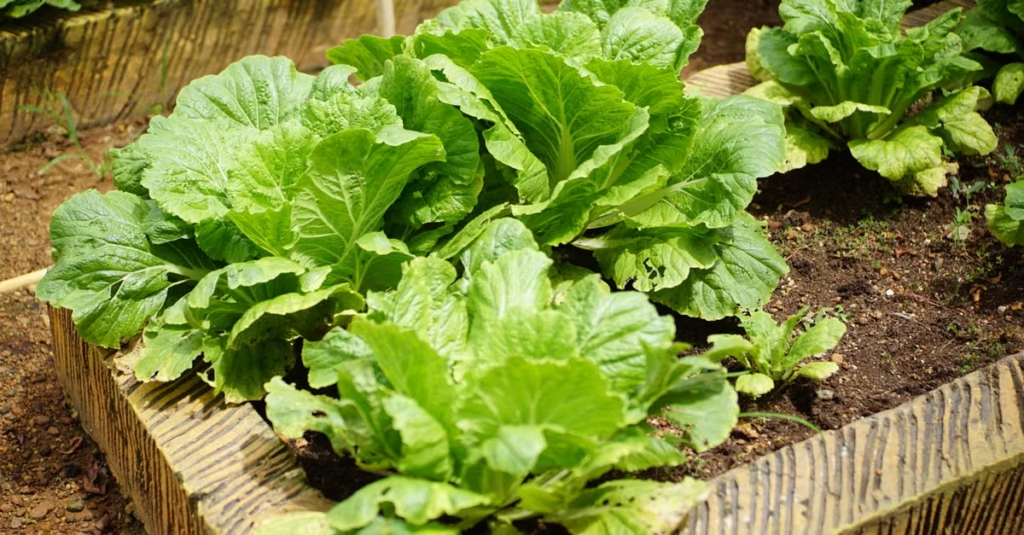
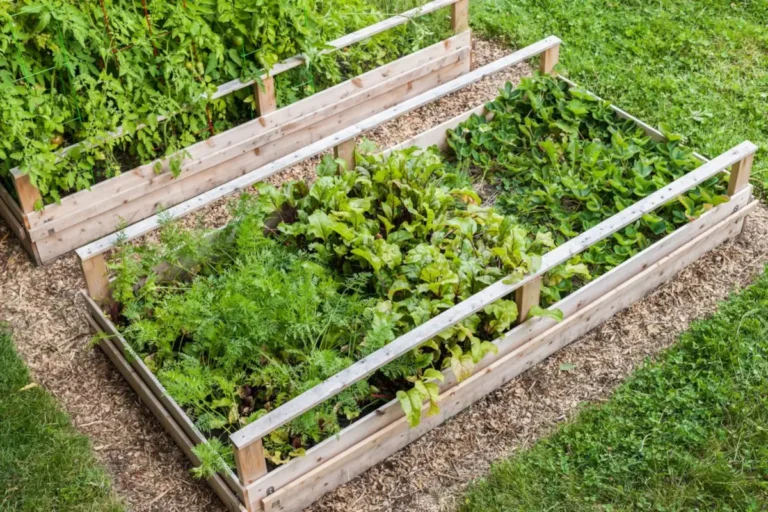
Wondering what to put in the bottom of a raised garden bed before adding soil? The best choice depends on where your bed will sit, what you plan to grow, and whether you need to manage weeds, improve drainage, or protect plants from animals.
In many gardens, you don’t need to add anything to the bottom of an open raised bed. If the bed sits directly on suitable garden soil, plant roots can grow into the ground below. However, some situations benefit from a layer of cardboard, protective mesh, or another carefully chosen material.
This guide explains what works, what to avoid, and how to prepare your raised bed for healthy plant growth.
Quick Answer: What Should You Put in the Bottom of a Raised Garden Bed?
For most open-bottom raised garden beds built on suitable soil, you can leave the bottom uncovered. If grass or weeds are growing underneath, plain cardboard may help suppress them temporarily. If burrowing animals are a problem, hardware cloth may provide protection.
Avoid automatically filling the bottom with gravel, rocks, or thick layers of bulky material. These additions are not necessary for every bed and may create other problems.
For more background on planning and growing vegetables in raised beds, see the University of Maryland Extension’s guide to growing vegetables in raised beds.
What to Put in the Bottom of a Raised Garden Bed: 7 Smart Tips
1. Leave the Bottom Open When Growing on Suitable Soil
An open bottom is often the simplest option for a raised garden bed built directly on healthy, suitable ground.
Leaving the bottom open allows water to move into the soil below and gives roots room to grow beyond the raised bed. This can be particularly useful for crops with deeper root systems.
Before building, remove large stones, persistent weeds, and debris from the area. Loosen compacted ground where practical, without unnecessarily disturbing the soil.
Best for: Vegetable gardens, flower beds, and most raised beds installed directly on suitable garden soil.
2. Use Plain Cardboard to Help Suppress Grass and Weeds
Plain, uncoated cardboard can help smother grass and some weeds underneath a new raised garden bed.
To use it:
- Remove tape, staples, labels, and any plastic coating.
- Cut or flatten the cardboard so it covers the ground inside the bed.
- Overlap the pieces to reduce gaps.
- Wet the cardboard to help it stay in place.
- Add your growing soil mix on top.
Cardboard breaks down over time, so it should not be treated as a permanent weed barrier. Persistent perennial weeds may still grow through or around it.
You can also build directly on suitable ground without cardboard. Choose the approach that best fits your site and weed problems.
Best for: Beds built over grass or areas with manageable surface weeds.
3. Install Hardware Cloth if Burrowing Animals Are a Problem
If rodents or other burrowing animals regularly damage your garden, hardware cloth may help protect the bed.
Install suitable galvanized hardware cloth beneath the bed frame before adding soil. Secure the edges so animals cannot easily enter from the sides.
Choose a mesh opening and material appropriate for the animals in your area. Hardware cloth is intended for animal protection, not as a substitute for weed control.
Best for: Raised beds where burrowing pests are a known problem.
4. Use Landscape Fabric Only When It Serves a Specific Purpose
Landscape fabric is sometimes used beneath garden installations, but it is not a universal requirement for raised beds.
Depending on the material and installation, fabric can restrict root growth, become difficult to remove, or interfere with natural soil interactions. It may also allow some weeds to grow through openings or accumulated organic material.
Before using it, consider whether you actually need a barrier and whether a simpler option would work.
Best for: Specific installations where a suitable fabric has a clear, practical purpose.
5. Avoid Adding Gravel or Rocks Just for Drainage
A common gardening recommendation is to place gravel or rocks beneath the soil to improve drainage. However, a gravel layer is generally unnecessary in an ordinary open-bottom raised bed.
Water does not always move freely from a finer-textured soil into a much coarser layer beneath it. Under some conditions, water can accumulate above the boundary instead of draining as expected.
For better results, focus on suitable growing soil, an open drainage path, and a location that does not remain waterlogged.
If your raised bed sits on concrete or paving, drainage needs special attention because excess water cannot move into the ground below.
Best approach: Address the actual drainage problem instead of automatically adding rocks.
6. Be Careful with Logs, Branches, Leaves, and Other Bulky Materials
Some gardeners place logs, branches, leaves, or other organic material at the bottom of deep raised beds. These materials break down over time, but they also settle and change volume.
Using a large amount of bulky material can reduce the depth of consistent growing soil available to plant roots. Decomposition may also make the soil level drop, requiring additional growing medium later.
Small amounts of suitable organic material can be part of a garden’s natural soil-building process. However, don’t assume that filling most of the bed with bulky material is the best choice for every crop or bed design.
For predictable results, plan enough suitable growing soil for the plants you intend to grow.
7. Treat Raised Beds on Concrete or Potentially Contaminated Ground Differently
A raised bed built on a driveway, patio, balcony, or other hard surface needs a different plan from one installed over garden soil.
Check these points before filling it:
- Drainage: Provide a suitable route for excess water to escape without damaging the surface or surrounding area.
- Growing depth: Choose a bed deep enough for the crops you want to grow.
- Weight: Wet soil can be heavy. Confirm that a balcony, deck, or elevated structure can support the completed bed.
- Ground quality: If the underlying soil may contain contaminants, investigate the risk before growing edible crops.
A barrier beneath a bed does not automatically solve every contamination or drainage concern. Choose materials and construction methods based on the specific site.
What Should You Avoid Putting in the Bottom of a Raised Garden Bed?
Not every material sold or recommended for gardening is necessary beneath a raised bed.
| Material | What to know |
|---|---|
| Gravel and rocks | Usually unnecessary beneath an ordinary open-bottom bed |
| Plastic sheeting | Can interfere with drainage if water cannot escape |
| Thick landscape fabric | May restrict roots or become difficult to remove |
| Large quantities of logs and branches | Can settle as they decompose and reduce consistent soil depth |
| Treated or contaminated waste | Avoid materials that could introduce unwanted chemicals or contaminants |
| Unknown construction debris | Don’t bury materials when their composition or safety is uncertain |
The goal is not to create as many layers as possible. It is to provide suitable growing conditions for your plants.
How Much Soil Should You Add to a Raised Garden Bed?
Once the bottom is prepared, calculate how much growing medium the bed needs.
Measure the inside length, inside width, and planned soil depth.
For measurements in feet:
Soil volume in cubic feet = length × width × soil depth
For example, a bed that is 4 feet long, 2 feet wide, and filled to a depth of 1 foot requires:
4 × 2 × 1 = 8 cubic feet of soil.
This is the basic volume before allowing for settling or any adjustments to the planned fill level.
Use our Raised Bed Soil Calculator to estimate the amount you need. If you’re planning to amend your growing mix with compost, our Compost Calculator can help estimate the required volume.
For help choosing the growing medium itself, read our guide to the best soil for raised garden beds.
Frequently Asked Questions
Should I put cardboard at the bottom of a raised garden bed?
Cardboard can help suppress grass and some weeds when starting a bed over an existing lawn. Remove tape, staples, and plastic coatings first. It is optional, not essential, and persistent weeds may still return.
Do raised garden beds need rocks at the bottom?
Usually not. An open-bottom bed on suitable ground generally does not need a gravel layer. Focus on soil quality and the site’s actual drainage conditions instead.
Should I put landscape fabric under a raised garden bed?
Not by default. Consider whether you have a specific reason to use it, and choose a material that will not create unnecessary drainage or root-growth problems.
Can I put a raised garden bed directly on grass?
Yes, provided the site and underlying soil are suitable. You can remove the grass first or use plain cardboard to help suppress it. Check for persistent weeds before building.
What should I put under a raised garden bed on concrete?
Plan for adequate growing depth, drainage, and surface protection. Also consider the weight of wet soil, particularly on balconies and decks. A solid surface requires more attention to drainage than open ground.
Can I put branches and leaves at the bottom of a raised garden bed?
Small amounts of suitable organic material may be used in some garden designs, but large quantities can settle as they decompose. Make sure your plants will still have enough suitable growing soil.
Final Thoughts
For most raised garden beds built on suitable ground, an open bottom is the simplest place to start. Add cardboard if you need temporary weed suppression, use hardware cloth when burrowing animals are a concern, and plan carefully when building over concrete or potentially contaminated soil.
Skip unnecessary layers and concentrate on providing enough suitable growing soil for your plants.
Ready to plan your bed? Use our Raised Bed Soil Calculator to estimate how much soil you’ll need before buying materials.
Final Takeaway
Use the guidance above as a practical starting point, then adjust for your space, climate, materials, and project goals.