Best Wood for Raised Garden Beds: Cedar vs. Redwood vs. Pine
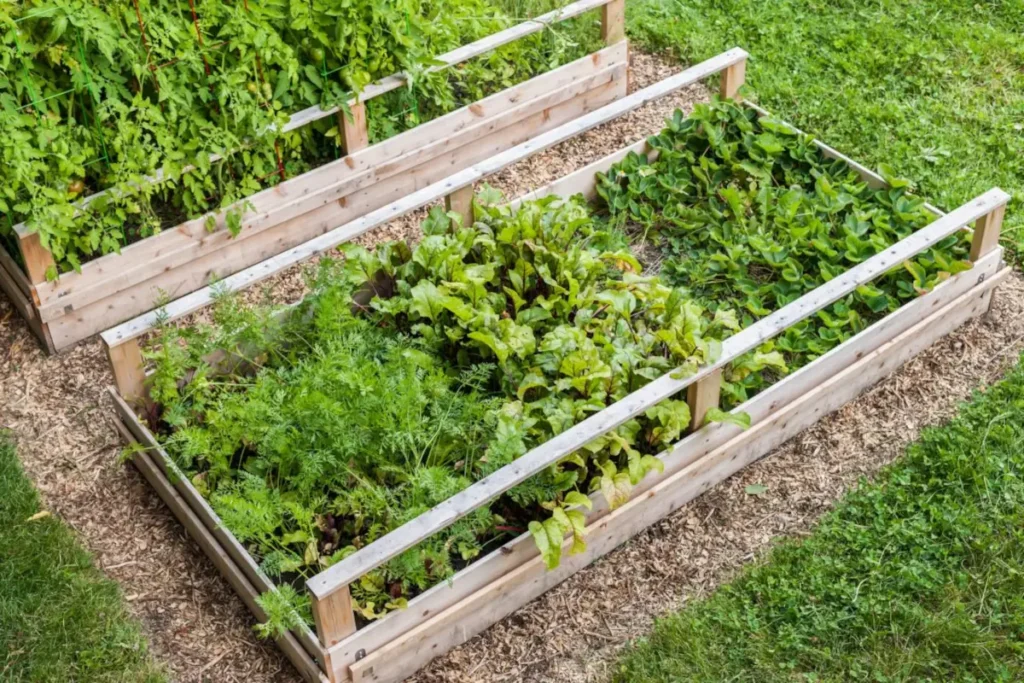
Choosing the best wood for raised garden beds can make a big difference in how long your garden lasts, how much you spend, and how much maintenance you need to do. Cedar, redwood, and pine are popular options, but each has different advantages.
Cedar is a popular choice because it naturally resists decay. Redwood is another durable option, although its price and availability vary by region. Pine is often more affordable, but untreated pine generally breaks down faster when exposed to moisture and soil.
So, which wood should you choose?
In this guide, we’ll compare cedar, redwood, and pine, explain what to know about pressure-treated lumber, and help you choose the right material for your garden and budget.
Quick Answer: What Is the Best Wood for Raised Garden Beds?
For many home gardeners, untreated cedar is a practical balance of durability, availability, and natural resistance to decay. Redwood is also a good choice where it is available at a reasonable price. Untreated pine can work for a lower-cost or temporary garden bed, but you may need to replace it sooner.
Your best option depends on your budget, local lumber prices, expected lifespan, and personal preferences.
Cedar vs. Redwood vs. Pine: Which Is Best?
| Wood type | Main advantage | Main drawback | Best for |
|---|---|---|---|
| Cedar | Natural resistance to decay | Usually costs more than pine | Long-term home gardens |
| Redwood | Natural resistance to decay | Can be expensive or difficult to find | Durable garden beds where locally available |
| Untreated pine | Lower initial cost | Generally decays faster in contact with soil | Budget-friendly or shorter-term beds |
| Untreated fir | Often affordable and readily available | Generally less decay-resistant than cedar or redwood | Gardeners prioritizing upfront cost |
| Modern pressure-treated lumber | Greater resistance to decay in suitable applications | Requires checking the treatment label and understanding material concerns | Gardeners prioritizing longevity and cost |
Actual performance varies with the wood species, board quality, thickness, moisture exposure, climate, and construction. No wood option has a guaranteed lifespan in every garden.
1. Cedar: A Popular Choice for Raised Garden Beds
Cedar is one of the most commonly recommended woods for raised garden beds because many cedar species naturally resist decay and insect damage.
Untreated cedar is particularly appealing to gardeners who want a wooden bed for growing vegetables without using chemically treated lumber.
Advantages of cedar
- Naturally resistant to decay compared with many common untreated softwoods.
- Available in lumber sizes suitable for garden-bed construction.
- Works well for vegetable gardens, herb gardens, and ornamental beds.
- Offers a natural wood appearance that fits many backyard designs.
Disadvantages of cedar
- Often costs more than pine or fir.
- Availability and pricing depend on your location and the cedar species.
- Boards can still weather, crack, or eventually decay.
- Some cedar products are thinner or lower-grade than others, which affects durability.
Is cedar worth the extra cost?
Cedar may be worth the additional upfront expense if you want a bed that can remain in place for several growing seasons without frequent board replacement.
Compare the total cost of the lumber, fasteners, and construction rather than looking only at the price of one board.
Best for: Gardeners who want a durable, natural-wood raised bed for vegetables, herbs, or flowers.
2. Redwood: A Durable Option Where Available
Redwood is another naturally decay-resistant wood used in outdoor construction. It can be an excellent material for raised garden beds, particularly in areas where suitable lumber is readily available.
However, redwood is not automatically the best value everywhere. Prices, quality, and availability vary, so compare local options before deciding.
Advantages of redwood
- Naturally resistant to decay.
- Suitable for outdoor garden structures.
- Creates an attractive, natural-looking garden frame.
- Can be a good long-term choice when suitable boards are available.
Disadvantages of redwood
- May be expensive compared with pine.
- Availability can be limited outside certain regions.
- Not every redwood board has the same durability.
- Boards still require appropriate construction and maintenance.
Should you choose redwood over cedar?
Not necessarily. Both can be good choices, and the better option depends on the particular lumber available to you.
Compare the species, board dimensions, condition, and price. If redwood costs substantially more than cedar in your area, the additional expense may not provide enough practical benefit for your garden.
Best for: Gardeners who have access to suitable redwood lumber and want a naturally decay-resistant wooden bed.
3. Pine: The Budget-Friendly Option
Untreated pine is often more affordable than cedar or redwood. It can be a reasonable choice if you’re building your first raised bed, experimenting with a garden layout, or working with a limited budget.
The main disadvantage is durability. Pine generally breaks down faster than naturally decay-resistant woods when it remains in contact with moist soil.
Advantages of pine
- Usually has a lower initial cost.
- Commonly available at lumberyards and home improvement stores.
- Easy to cut and assemble with basic woodworking tools.
- Suitable for simple garden-bed designs.
Disadvantages of pine
- Untreated pine is generally less resistant to decay.
- Boards may need replacement sooner.
- Moisture and soil contact can accelerate deterioration.
- The total long-term cost may increase if replacement is frequent.
Is untreated pine good enough for a raised garden bed?
It can be. If you need an affordable bed and don’t mind the possibility of replacing the boards earlier, pine may be a sensible option.
Use sound lumber, construct the bed properly, and avoid assuming that a low purchase price automatically means the lowest long-term cost.
Best for: Budget-conscious gardeners, temporary beds, and people who want to test a garden design before investing in a more durable structure.
4. What About Pressure-Treated Wood?
Pressure-treated lumber is designed to resist decay and can last longer than untreated wood in suitable outdoor applications. Modern pressure treatments differ from older treatments, so it is important not to treat every product as identical.
Older lumber treated with chromated copper arsenate (CCA) raises different concerns from modern residential pressure-treated lumber. CCA-treated wood was phased out of most residential uses in the United States in 2003–2004, but older or salvaged material may still exist.
University extension guidance discusses the use of modern pressure-treated lumber in raised beds, including its durability and the considerations around preservative chemicals.
Before choosing it:
- Read the product label and identify the treatment used.
- Confirm that the lumber is rated for the intended outdoor and ground-contact application.
- Avoid old or salvaged lumber when its treatment history is unknown.
- Never use creosote-treated railroad ties for vegetable beds.
- If you prefer to minimize contact between treated lumber and growing soil, consider an appropriate barrier and follow the manufacturer’s guidance.
For additional detail, read Oregon State University Extension’s guide to pressure-treated wood for raised-bed construction.
The right choice depends on the specific product, your comfort level with treated materials, and your garden’s intended use. If you prefer untreated materials, cedar and redwood are alternatives worth comparing.
5. How Thick Should the Wood Be?
The thickness of your boards matters because raised-bed walls must hold the growing medium in place while dealing with moisture and outdoor conditions.
Thicker boards generally provide more structural strength, but the appropriate size depends on the height and length of the bed, the wood species, and how the frame is supported.
Consider these points when choosing lumber:
- Bed height: Taller beds place greater demands on the walls.
- Bed length: Long sides may need additional support to reduce bowing.
- Soil pressure: Wet growing medium can place substantial pressure on the frame.
- Board quality: Avoid badly warped, split, or damaged boards.
- Fasteners: Use outdoor-appropriate screws or other suitable connectors.
For a simple backyard bed, choose boards that are appropriate for the planned dimensions rather than buying the thickest lumber available.
Read our guide on how to build a raised garden bed for more help with planning and construction.
6. How Much Does a Wooden Raised Garden Bed Cost?
The total cost depends on the size of your bed, local lumber prices, board dimensions, fasteners, corner supports, and whether you build it yourself.
Cedar and redwood may have higher upfront material costs than pine. However, a cheaper bed may require earlier repairs or replacement, so the initial price is only part of the decision.
Before buying materials, estimate the quantity of lumber you need.
For example, a basic rectangular bed requires:
- Two long boards.
- Two short boards.
- Suitable corner connections.
- Additional supports if the dimensions require them.
- Fasteners rated for outdoor use.
Measure the planned bed before shopping, then compare the total price for each wood type.
Use our Garden Cost Calculator to help organize your project budget. If you need to estimate the growing medium as well, use the Raised Bed Soil Calculator.
7. How Can You Help a Wooden Raised Bed Last Longer?
Even naturally decay-resistant wood benefits from good design and installation.
Follow these practical steps:
- Choose suitable lumber. Select boards intended for outdoor use and appropriate for the bed’s dimensions.
- Build a stable frame. Secure corners properly and add supports where needed.
- Avoid unnecessary water trapping. Design the bed so water can drain instead of remaining trapped against surfaces.
- Use suitable fasteners. Choose hardware intended for outdoor exposure and compatible with the lumber.
- Inspect the boards periodically. Look for soft spots, splitting, loose connections, and signs of decay.
- Repair damaged sections promptly. Replacing one deteriorating board may prevent a larger structural problem.
Wood naturally weathers over time. The goal is to choose appropriate materials and construction methods, not to assume the frame will last indefinitely.
Frequently Asked Questions
Is cedar the best wood for raised garden beds?
Cedar is a popular choice because it naturally resists decay and is commonly available for outdoor construction. However, redwood, suitable treated lumber, and other materials may also be appropriate depending on your budget and preferences.
Is redwood better than cedar for raised beds?
Not in every situation. Both can offer natural decay resistance. Compare local prices, lumber quality, availability, and the dimensions you need before choosing.
Can I use untreated pine for a raised garden bed?
Yes. Untreated pine can work, especially for budget-friendly or temporary beds. It generally decays faster than cedar or redwood when exposed to moist soil.
Is pressure-treated wood safe for vegetable garden beds?
Modern pressure-treated lumber is different from older CCA-treated wood. Some university extension research supports the use of certain modern products in raised beds, but treatment types vary. Check the product label, confirm the intended application, and consult reliable local extension guidance if you have concerns.
Should I line a wooden raised garden bed with plastic?
A liner is not automatically necessary for every wooden bed. The right choice depends on the material, site, and purpose. If you use a liner, avoid blocking the drainage route, and follow the lumber manufacturer’s recommendations.
What is the cheapest wood for raised garden beds?
Untreated pine is often among the more affordable common options, although prices vary by region and lumber size. Compare the total project cost and expected replacement needs rather than relying on the price of one board.
How long will a wooden raised garden bed last?
There is no universal lifespan. Durability depends on the wood species, board thickness, moisture exposure, climate, installation, and maintenance. Cedar and redwood generally resist decay better than untreated pine, but all wood can eventually deteriorate.
Final Verdict: Which Wood Should You Choose?
The best wood for your raised garden bed depends on what matters most to you.
- Choose cedar if you want a popular, naturally decay-resistant wood for a long-term garden.
- Choose redwood if suitable lumber is available locally at a price that makes sense.
- Choose untreated pine if keeping upfront costs low is your main priority and you accept that the boards may need earlier replacement.
- Consider modern pressure-treated lumber if durability and cost matter, after checking the specific treatment and intended use.
Plan the dimensions, compare local lumber prices, and calculate the total cost before you begin building.
Ready to plan your project? Use the Garden Cost Calculator to organize your budget, then estimate your growing medium with our Raised Bed Soil Calculator.
Final Takeaway
Use the guidance above as a practical starting point, then adjust for your space, climate, materials, and project goals.