How Deep Should Raised Garden Beds Be? A Guide to Soil Depth for Vegetables
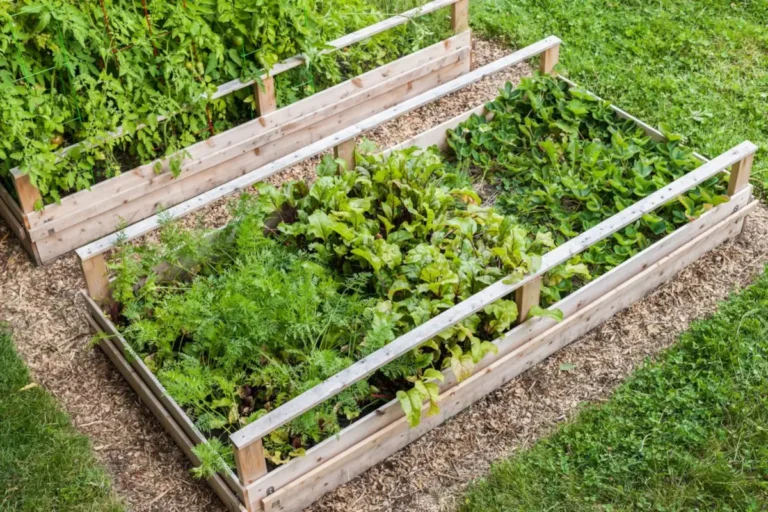
Choosing the right depth for a raised garden beds can make gardening easier and help your plants develop healthy roots. A bed that is too shallow for your crops may limit root growth, while a deeper bed can require more soil, materials, and money than necessary.
So, how deep should a raised garden bed be? The answer depends on what you want to grow, the soil underneath the bed, and whether your garden sits directly on the ground or on a hard surface.
In this guide, you’ll learn how to choose a suitable raised-bed depth, how much soil different bed sizes require, and how to plan your garden before you build.
Planning your soil order? Use our Raised Bed Soil Calculator to estimate the soil volume for your planned bed.
How Deep Should a Raised Garden Bed Be?
For many home vegetable gardens, around 6–12 inches of suitable growing soil can be a practical starting point when the bed sits directly on healthy, accessible ground. Some crops need a deeper root zone, and a bed placed on concrete or paving must provide enough growing depth above that surface.
There is no single depth that works best for every plant. Consider the crops you intend to grow, the condition of the underlying ground, and the drainage available at your site.
For additional guidance on growing vegetables in raised beds, see the University of Maryland Extension’s guide to growing vegetables in raised beds.
Before choosing your bed’s height, consider three things:
- What you’re growing: Shallow-rooted greens and deeper-rooted crops have different requirements.
- What’s underneath: Roots may be able to grow into suitable native soil beneath an open-bottom bed.
- How you garden: A taller bed may make planting and maintenance more comfortable, but it requires more soil to fill.
Remember that the height of the wooden frame is not necessarily the same as the depth of usable soil. Measure the actual growing medium from its surface to the bottom of the root zone.
Raised Garden Bed Depth by Vegetable Type
Different vegetables develop different root systems. The table below provides general planning guidance, not strict minimums for every variety or growing condition.
| Vegetable type | General soil-depth planning |
|---|---|
| Lettuce and many leafy greens | Often suitable for relatively shallow beds |
| Radishes | Usually need moderate, loose soil depth |
| Bush beans | Benefit from a reasonably deep, well-drained root zone |
| Carrots | Need loose soil deep enough for the mature root length |
| Tomatoes | Benefit from deeper, well-drained soil |
| Peppers | Generally benefit from a substantial root zone |
| Potatoes | Need sufficient depth and room for developing tubers |
| Squash | Need adequate root space and room for their growth habit |
These are broad categories because variety, climate, soil texture, and growing conditions all affect root development. Check the recommendations for your particular crop before deciding on a final bed depth.
How deep should a raised bed be for lettuce?
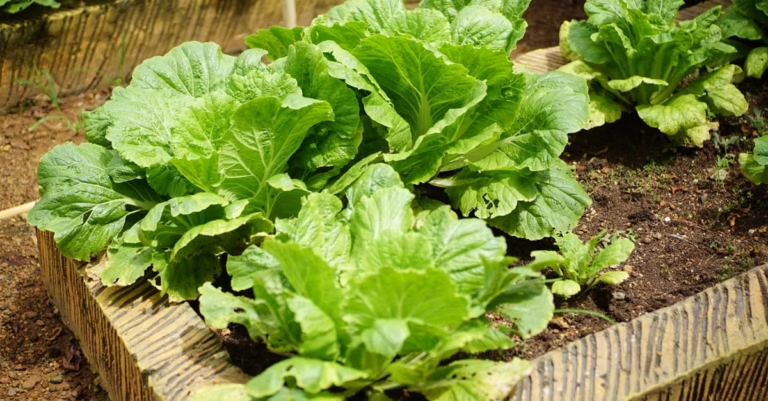
Lettuce and many other leafy greens can grow in relatively shallow soil when moisture, nutrients, and drainage are managed well. A bed around 6–8 inches deep may be workable in suitable conditions, especially if roots can access healthy soil beneath it.
Deeper soil can provide a larger moisture reserve, which may be helpful during warm weather.
How deep should a raised bed be for carrots?
Carrots need enough loose, stone-free soil for their roots to develop. Short-rooted varieties may fit in shallower beds, while long-rooted varieties need more depth.
Check the expected mature root length of the variety you’re planting. If the bed contains compacted soil or stones, simply making the frame deeper may not solve the problem.
How deep should a raised bed be for tomatoes?
Tomatoes benefit from a generous, well-drained root zone. A bed with roughly 12 inches or more of suitable growing soil can be a useful planning starting point, with additional depth potentially beneficial depending on the site and the soil underneath.
In an open-bottom bed over suitable garden soil, roots may extend beyond the raised portion. On concrete or paving, the full root zone must be provided within the bed.
How deep should a raised bed be for potatoes?
Potatoes need enough room for roots and developing tubers, as well as a growing setup that allows soil or other suitable growing material to be added around the plants as they develop.
The required depth depends on the variety and growing method. Plan for adequate depth and room to manage the crop rather than choosing the frame height alone.
Does a Raised Garden Bed Need to Be 12 Inches Deep?
No. A 12-inch bed is a common planning choice, but it is not a universal requirement.
A shallower bed may work for leafy greens and other plants with modest root-depth needs, particularly when it sits over suitable ground. A deeper bed may be more appropriate for crops that need a larger root zone or when the underlying surface restricts root growth.
Think about the usable soil depth rather than following a single measurement for every plant.
For example, a 10-inch frame filled with 8 inches of soil does not provide 10 inches of growing depth. Similarly, a 12-inch frame placed on concrete cannot offer roots access to the ground below it.
How Deep Should a Raised Garden Bed Be on Concrete?
A raised bed on concrete, paving, or another impermeable surface needs more careful planning than an open-bottom bed over garden soil.
Because roots cannot grow into the ground beneath it, the bed must contain enough suitable growing medium for the plants you choose.
Before filling the bed:
- Check drainage. Excess water needs a safe route out of the bed.
- Choose a suitable depth. Base it on the plants’ root requirements.
- Use an appropriate growing mix. Avoid unsuitable construction fill or materials that could contaminate the growing area.
- Consider the weight. Wet soil can be heavy, so make sure the supporting surface and bed structure are appropriate.
- Plan access. Leave room to water, weed, and harvest without damaging the plants.
A shallow decorative planter on a patio may be suitable for certain herbs or greens, while a deeper bed may be necessary for other vegetables. Match the design to the crops rather than trying to grow everything in the same container.
How Deep Should a Raised Garden Bed Be on Grass?
An open-bottom raised bed placed on a lawn or garden soil can allow roots to extend into the underlying ground, depending on the condition of the soil and the bed’s construction.
Before building, remove or manage grass and persistent weeds so they do not compete with your vegetables. Check whether the ground is compacted, waterlogged, or otherwise unsuitable.
If the existing soil is healthy and accessible to roots, you may not need the same depth as a bed placed on concrete. If the soil underneath is compacted or poor, provide a more suitable growing depth and address the underlying problem where practical.
Do not assume that adding a few inches of soil automatically fixes severe drainage or contamination issues.
How Much Soil Do You Need for a Raised Garden Bed?
The deeper the bed, the more soil it requires. Calculating the volume before buying materials helps you compare costs and avoid ordering too little or too much.
For a rectangular bed, use this formula:
Soil volume = length × width × soil depth
Measure all dimensions in the same unit.
For example, a bed measuring 4 feet long, 2 feet wide, and 12 inches deep has a soil depth of 1 foot.
4 × 2 × 1 = 8 cubic feet of soil.
Soil volume for common raised-bed sizes
The examples below assume a rectangular bed filled to the stated depth.
| Bed size | Soil depth | Soil volume |
|---|---|---|
| 2 × 2 feet | 6 inches | 2 cubic feet |
| 4 × 2 feet | 8 inches | About 5.3 cubic feet |
| 4 × 2 feet | 12 inches | 8 cubic feet |
| 4 × 4 feet | 12 inches | 16 cubic feet |
| 4 × 8 feet | 12 inches | 32 cubic feet |
| 4 × 8 feet | 18 inches | 48 cubic feet |
These calculations use the bed’s full rectangular dimensions and do not account for existing soil, frame thickness, or settling.
For a more accurate estimate, measure the inside dimensions and the depth you actually plan to fill.
Use our Raised Bed Soil Calculator to calculate the volume for your project.
Should you make your raised bed deeper to avoid buying more soil later?
Not necessarily. Build to the depth your plants and site require. Making the bed deeper increases the amount of soil you need and may increase the cost of materials and construction.
If the bed sits over suitable garden soil, roots may be able to grow below the frame. If it sits on concrete, additional depth may be necessary.
Choose the depth based on the growing conditions and intended crops rather than adding extra height without a clear purpose.
Can a Raised Garden Bed Be Too Deep?
A raised bed can be deeper than necessary for the plants you’re growing, although extra depth is not automatically harmful.
The main disadvantages are practical:
- More soil is needed to fill it.
- The frame may require stronger construction.
- The bed can be heavier when wet.
- Reaching across a wide, deep bed may be uncomfortable.
- More growing medium may increase the initial project cost.
Extra depth can be useful when plants need a larger root zone, when the underlying surface restricts root growth, or when a taller bed improves accessibility.
For many gardens, a carefully planned bed is more useful than the deepest bed possible.
Other Things to Consider When Choosing Bed Depth
Soil quality matters as much as depth
A deep bed filled with compacted or unsuitable material may perform worse than a shallower bed filled with a suitable growing mix.
Choose soil that supports drainage, moisture retention, and healthy root development. If you’re preparing a new bed, read our guide to the best soil for raised garden beds.
Drainage must match the location
Beds over healthy ground may drain into the soil beneath them. Beds on hard surfaces need a plan for excess water.
Avoid assuming that gravel at the bottom will solve every drainage issue. The overall bed design, soil structure, and available drainage route matter more.
Bed width affects access
Depth is only one part of the design. A bed that is too wide can make the middle difficult to reach without stepping on the soil.
Choose a width that lets you tend the plants comfortably from the sides. Keep paths wide enough for watering equipment, tools, and regular maintenance.
Plan for the mature plants
Seedlings may look small, but mature plants need room for roots, foliage, and airflow. Consider spacing as well as depth when planning the bed.
Use the Raised Bed Planting Calculator to help plan your planting layout.
Frequently Asked Questions
Is 6 inches deep enough for a raised garden bed?
It can be enough for some shallow-rooted plants when the soil is suitable and roots can extend into healthy ground below. It may not provide enough growing depth for every vegetable, particularly when the bed sits on a hard surface.
Is 8 inches deep enough for vegetables?
Some vegetables can grow successfully in 8 inches of suitable soil, especially in an open-bottom bed over healthy ground. Other crops need more depth. Check the root-depth needs of the varieties you plan to grow.
Is 12 inches deep enough for a raised garden bed?
Twelve inches is a useful starting point for many home vegetable beds, but it is not a guarantee that every crop will have enough root space. Consider the plant, the quality of the soil, and the surface underneath.
Do raised garden beds need a bottom?
Not always. An open-bottom bed placed on suitable ground allows water to drain and roots to extend into the underlying soil. A bottom may be needed for particular installations, but drainage and growing depth must be considered carefully.
Should I put cardboard under a raised garden bed?
Cardboard is sometimes used to help suppress grass and weeds beneath a new bed. If you use it, choose plain, minimally processed cardboard and remove tape and labels. Keep in mind that a barrier may temporarily affect how roots and water move into the ground below. It is not a solution for contaminated soil or severe drainage problems.
Does a deeper raised bed produce bigger vegetables?
Not automatically. Adequate root space can help plants grow well, but sunlight, watering, nutrients, temperature, variety, and soil conditions also influence plant growth.
What is the best height for an accessible raised garden bed?
A taller bed can reduce bending and make gardening more comfortable for some people. The best height depends on the gardener, whether they stand or sit, the available access, and the crops. Consider reach, stability, drainage, and the weight of the filled bed when designing an accessible garden.
Plan Your Raised Garden Bed With Leaf & Lodge
The right raised-bed depth depends on your plants, the ground beneath the bed, and how you plan to use your garden.
Before building, choose your crops, measure the usable soil depth, check drainage, and calculate the amount of growing medium you’ll need.
Use these free Leaf & Lodge tools to plan your project:
- Raised Bed Soil Calculator — estimate the soil volume for your bed.
- Raised Bed Planting Calculator — plan your planting layout.
- Garden Soil Calculator — calculate soil volume for other garden areas.
A little planning before you build can help you create a raised bed that fits your garden, your budget, and the plants you want to grow.
Leaf & Lodge provides general gardening information. Growing requirements vary by crop, variety, climate, and site conditions. Check specific growing guidance for the plants you intend to grow.
Final Takeaway
Use the guidance above as a practical starting point, then adjust for your space, climate, materials, and project goals.