12 Vegetables That Thrive in Raised Garden Beds
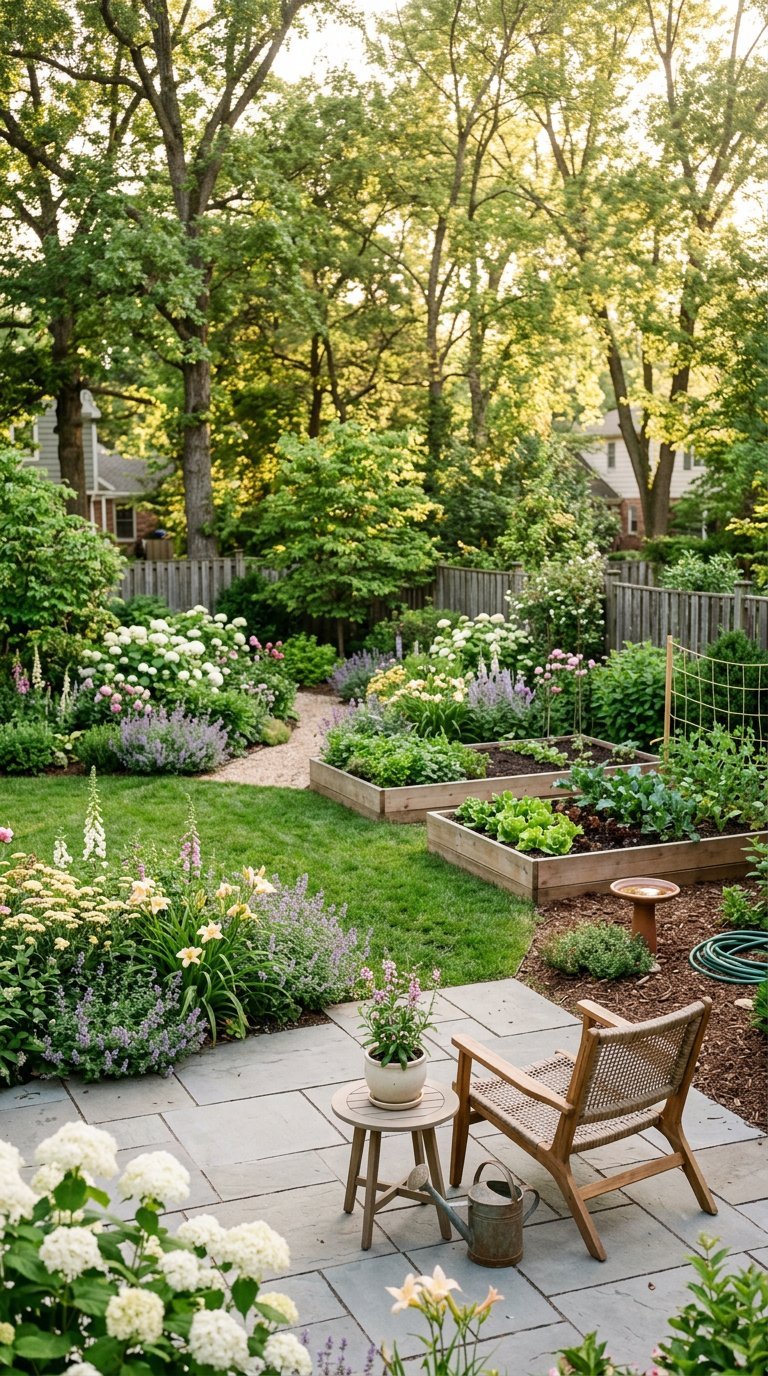
Raised garden beds can make it easier to control soil, spacing, drainage, and growing conditions. From leafy greens and herbs to tomatoes, carrots, and peppers, these vegetables are particularly well suited to raised-bed gardening.
One of the biggest advantages of a raised garden bed is control.
You can choose the soil, organize the planting space, improve drainage, and create a garden layout that works for your available area.
That makes raised beds especially useful for growing vegetables.
But not every vegetable needs the same amount of space or soil depth.
Some crops are compact and productive in relatively small spaces, while others need more room for roots and foliage.
Here are 12 vegetables that can work particularly well in raised garden beds.
1. Lettuce
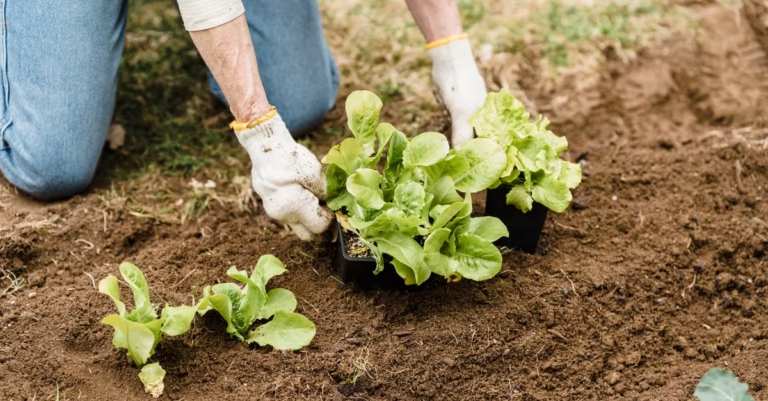
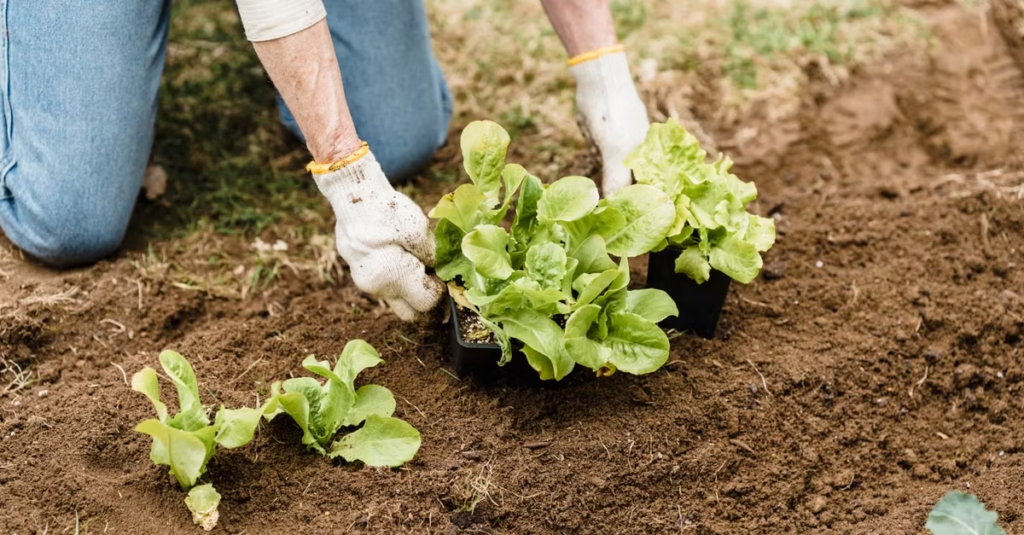
Lettuce is one of the easiest crops to start with.
It doesn’t require a large root system, so it can perform well in relatively shallow raised beds.
You can also grow several varieties at once and harvest leaves gradually rather than waiting for one large harvest.
Lettuce generally prefers cooler conditions, so consider planting it during the appropriate season for your climate.
Good for: Small beds, succession planting, containers.
2. Radishes
Radishes are excellent for gardeners who want quick results.
Many varieties mature relatively quickly, making them useful for filling gaps between slower-growing crops.
Because the edible root develops underground, loose soil is particularly helpful.
Avoid compacting the soil around them.
Good for: Small gardens, beginners, quick harvests.
3. Carrots
Raised beds can be particularly useful for carrots because you can control the depth and texture of the growing medium.
Carrots prefer loose soil without large rocks or compacted layers that can interfere with root development.
If your existing garden soil is heavy or rocky, a raised bed gives you an opportunity to create a better environment.
Good for: Deep beds, loose soil, compact gardens.
4. Bush Beans
Bush beans can produce a useful harvest without requiring the same amount of vertical support as climbing varieties.
They can also be planted in relatively organized rows, making them easy to fit into a raised-bed layout.
Harvest beans regularly once production begins to encourage continued picking.
Good for: Productive beds, beginner gardens, summer growing.
5. Cucumbers
Cucumbers can work well in raised beds, particularly when you give the vines room to spread or provide a trellis.
Growing vertically can make a significant difference in a smaller garden.
A trellis can keep vines off the soil and help you make better use of the available space.
Good for: Vertical growing, warm-season gardens.
6. Peppers
Peppers are compact compared with many sprawling vegetable plants.
That makes them useful in raised beds where you want to maximize the number of productive plants.
They generally prefer warm growing conditions and plenty of sunlight.
Don’t crowd them simply because they look small when planted.
Give each plant enough space to develop.
Good for: Sunny beds, compact gardens, warm climates.
7. Tomatoes
Tomatoes are one of the most popular raised-bed crops.
They can benefit from the controlled soil environment and good drainage that a well-designed raised bed provides.
However, tomatoes can become large plants.
Plan their spacing before planting and consider cages, stakes, or other support systems.
If you’re growing indeterminate varieties, allow additional room for growth.
Good for: Large raised beds, sunny locations, productive summer gardens.
8. Zucchini
Zucchini can be extremely productive.
The challenge is space.
A single plant can become surprisingly large, so zucchini isn’t always the best choice for a small raised bed.
If you have enough room, however, it can provide a substantial harvest from relatively few plants.
Consider positioning it near an edge where its leaves and stems can spread outside the main planting area.
Good for: Large beds, high-yield gardens.
9. Spinach
Spinach is another useful crop for raised beds.
It’s relatively compact and can be planted in succession depending on your growing season.
Like lettuce, spinach generally prefers cooler conditions.
That makes it particularly useful during seasons when warm-season crops aren’t at their best.
Good for: Cool-season gardens, small spaces.
10. Beets
Beets provide both edible roots and useful greens.
They don’t require a huge amount of space and can fit neatly into a raised-bed planting plan.
Loose soil helps the roots develop more evenly.
Because you can harvest the greens while the roots continue developing, beets can provide multiple uses from the same planting.
Good for: Compact beds, cool seasons, root crops.
11. Onions
Onions can be a practical choice when you’re looking to maximize the number of plants in a limited space.
Their vertical growth habit allows them to share a bed with other crops when spacing is planned carefully.
Green onions are especially convenient for smaller gardens because they can be harvested relatively young.
Good for: Small beds, companion planting, succession planting.
12. Herbs
Although herbs aren’t technically vegetables, they deserve a place in many raised garden beds.
Basil, parsley, cilantro, chives, and other culinary herbs can fit into small spaces and provide regular harvests.
Some herbs can also be grown along the edges of a vegetable bed where they won’t interfere with larger crops.
Good for: Small gardens, kitchen gardens, edge planting.
How Many Vegetables Can You Fit in a Raised Bed?
The answer depends on the crop.
Don’t use the same spacing for every vegetable.
A simple planning approach is to divide crops into groups.
Compact crops
Examples:
- Radishes
- Carrots
- Lettuce
- Spinach
- Onions
These can generally be planted more densely.
Medium-sized crops
Examples:
- Peppers
- Bush beans
- Beets
Give these enough room for their mature foliage.
Large crops
Examples:
- Tomatoes
- Cucumbers
- Zucchini
These require considerably more space.
Planning around the mature size of the plant, rather than the size of the seedling, helps prevent overcrowding.
Think About Sunlight
Most vegetables perform best with plenty of sunlight.
Before deciding what to grow, observe your garden throughout the day.
Ask:
- How many hours of direct sunlight does the bed receive?
- Are nearby trees shading the area?
- Does the sun change significantly between seasons?
- Are tall plants going to shade shorter crops?
Put taller crops where they are less likely to block sunlight from smaller plants.
Don’t Forget Soil Depth
Different crops have different root requirements.
A shallow bed may work well for leafy greens and some herbs, while deeper-rooted crops such as carrots benefit from additional soil depth.
Before filling your bed, think about what you’re planning to grow.
If you haven’t built the bed yet, this can help determine the appropriate height.
You can use the Leaf & Lodge Raised Bed Soil Calculator to estimate how much growing medium you’ll need once you’ve decided on the dimensions.
Use Vertical Space
One of the best ways to get more from a raised bed is to grow vertically.
Crops such as cucumbers and climbing beans can use a trellis instead of spreading across the ground.
This creates additional growing space without increasing the footprint of your garden.
Just make sure the structure is sturdy enough to support mature plants.
Plan for Succession Planting
You don’t have to plant the entire bed on the same day.
For example, you might plant:
Early season
Lettuce, spinach, radishes, and peas.
Warm season
Tomatoes, peppers, cucumbers, and beans.
Later season
Another round of leafy greens or root vegetables.
This approach lets you use the same raised bed more efficiently throughout the growing season.
Avoid Overcrowding
It’s tempting to put as many plants as possible into a raised bed.
But more plants don’t always mean more vegetables.
Overcrowding can lead to:
- Poor airflow
- Increased competition
- More difficult harvesting
- Shading
- Greater disease pressure
Follow the recommended spacing for the specific variety you’re growing.
A little empty space is often better than an overcrowded garden.
A Simple Raised-Bed Combination
If you’re building your first vegetable bed, you don’t need to grow everything.
A simple combination might include:
Tomatoes
For a large summer crop.
Peppers
For compact productive plants.
Lettuce
For quick cool-season harvests.
Radishes
For fast-growing root crops.
Bush beans
For additional summer production.
Herbs
For convenient kitchen harvesting.
This gives you a mixture of plant sizes, harvest times, and uses without making the garden unnecessarily complicated.
Final Takeaway
Raised garden beds are particularly useful for vegetables because they give you more control over soil, spacing, drainage, and layout.
Start with crops that match your available space and growing conditions.
If your bed is small, focus on compact crops and vertical growing.
If you have more room, combine larger plants such as tomatoes and cucumbers with smaller crops such as lettuce, radishes, and herbs.
The best raised-bed garden isn’t necessarily the one with the most plants.
It’s the one that’s planned around the space you actually have.
Final Takeaway
Use the guidance above as a practical starting point, then adjust for your space, climate, materials, and project goals.