Small Backyard, Big Ideas: 9 Layouts That Work
A small backyard doesn't have to feel cramped. The right layout can make room for seating, planting, entertaining, and even a lawn without trying to fit everything everywhere. These nine practical layout ideas can help you make better use of a compact outdoor space.
A small backyard can be surprisingly difficult to design.
With less space, every decision becomes more noticeable.
A patio that’s slightly too large can make the yard feel cramped. A poorly positioned shed can interrupt the entire layout. Too many plants can make the space feel crowded, while too much open lawn can make it feel unfinished.
The solution isn’t necessarily to remove everything.
It’s to give each part of the backyard a purpose.
Here are nine practical layouts that can work in smaller outdoor spaces.
1. Patio + Open Lawn
One of the simplest layouts is to divide the backyard into two primary areas.
Patio
Use it for:
- Dining
- Seating
- Grilling
- Entertaining
Lawn
Leave the remaining area open for:
- Children
- Pets
- Games
- Flexible use
This works particularly well when the patio sits directly outside the house.
Keeping the number of zones low makes the yard feel larger and easier to maintain.
2. Narrow Backyard With a Central Path
Long, narrow yards can sometimes feel like corridors.
Instead of trying to create one large open area, use a central path to create a sense of movement.
For example:
House
↓
Patio
↓
Path
↓
Garden
↓
Small seating area
Planting can soften the edges while the path creates a clear visual destination.
This approach can make a narrow backyard feel intentional rather than restricted.
3. Corner Patio Layout
If your backyard is small, you don’t necessarily need the patio in the center.
Placing it in one corner can leave more continuous open space.
A corner patio can include:
- Small dining table
- Outdoor sofa
- Grill
- Planters
The remaining three sides can then be used for planting, lawn, storage, or circulation.
This is particularly useful when you want an outdoor seating area without sacrificing most of the yard.
4. Vertical Garden Layout
When ground space is limited, look upward.
A vertical garden can use:
- Trellises
- Climbing plants
- Wall planters
- Narrow planting beds
- Privacy screens
This allows you to add greenery without taking up a large portion of the ground.
Climbing plants can also soften fences and walls.
Just make sure the structure is appropriate for the mature size and weight of the plants.
5. Dining-First Backyard
If you regularly eat outdoors, design around the dining area.
Position the table close enough to the house that carrying food outside is convenient.
Then build the rest of the landscape around it.
A simple arrangement might be:
Kitchen
↓
Dining patio
↓
Small lawn
↓
Planting border
This is often more practical than creating a large patio and trying to decide how to use it afterward.
6. Garden-Focused Backyard
If gardening is your priority, don’t feel obligated to dedicate most of the yard to lawn.
A small backyard can support:
- Raised beds
- Herb gardens
- Fruit trees
- Vertical growing
- Composting
- Small seating areas
A useful layout is to place raised beds along the perimeter while leaving a clear central path.
This keeps the planting space organized and makes maintenance easier.
7. Outdoor Living Room
You can make a small backyard feel like an additional room.
Use:
- Outdoor sofa
- Coffee table
- Rug suitable for outdoor use
- Lighting
- Shade
- Container plants
Instead of spreading furniture across the yard, concentrate it into one comfortable area.
The remaining space can stay open.
This creates a stronger sense of purpose and can make a small yard feel more complete.
8. Privacy-Focused Layout
Sometimes the main problem isn’t lack of space.
It’s lack of privacy.
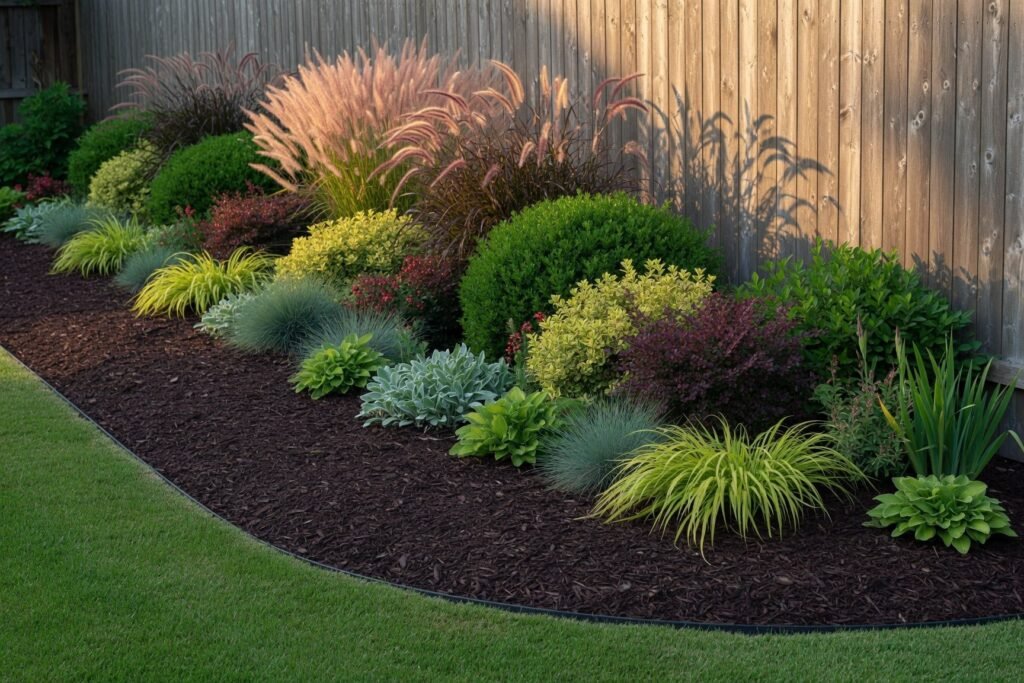
If neighboring homes overlook the backyard, concentrate screening where you actually spend time.
For example:
Fence
Tall planting
Seating area
Rather than screening the entire yard, focus on the sightlines that matter most.
This can save space and reduce costs.
Choose plants based on mature size and local growing conditions so that the screening doesn’t become a maintenance problem later.
9. Flexible Multi-Use Backyard
If your backyard needs to serve several purposes, keep the layout flexible.
Instead of creating permanent structures everywhere, use movable elements.
For example:
- Folding dining table
- Portable fire pit where appropriate
- Movable planters
- Lightweight seating
- Open lawn
One area can then serve as a dining space on weekends and a play or activity area during the week.
Flexibility can be more valuable than adding another permanent feature.
How to Make a Small Backyard Feel Larger
Layout is only part of the equation.
A few design decisions can change how spacious the yard feels.
Keep the Number of Materials Limited
Using too many different paving materials, colors, and textures can visually divide a small space.
Instead, choose a simple material palette.
For example:
One paving material
One main fence treatment
Two or three plant textures
A consistent palette can make the yard feel more cohesive.
Use Fewer, Larger Features
A common mistake is filling a small backyard with lots of tiny features.
Instead of:
- Five small planters
- Three seating areas
- Several decorative objects
- Multiple paving patterns
consider:
- One strong seating area
- One planting zone
- One main path
- One focal point
Larger, simpler elements can make the space feel calmer.
Create a Focal Point
A small backyard can benefit from having somewhere for the eye to land.
This might be:
- A tree
- A specimen plant
- A seating area
- A water feature
- A garden structure
- A distinctive wall
You don’t need several focal points.
One is often enough.
Use the Boundaries
The edges of a small yard are valuable.
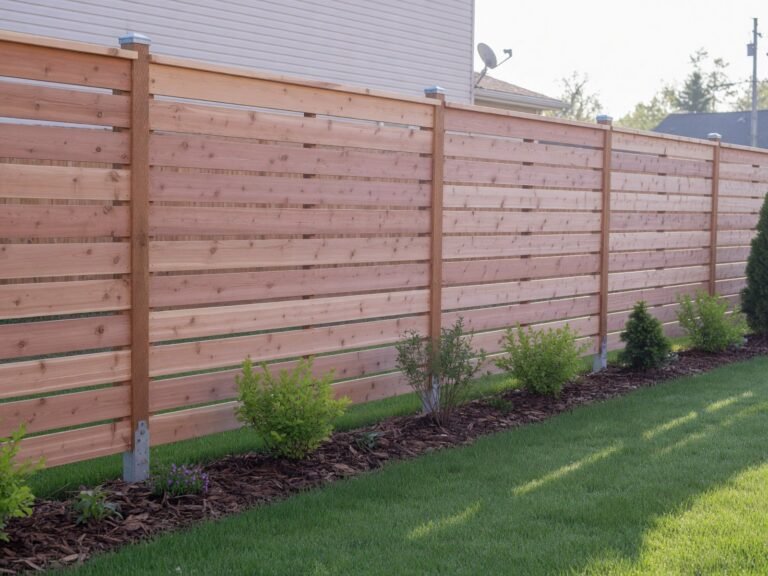
Fences can support:
- Trellises
- Climbers
- Narrow planting
- Storage
- Lighting
- Privacy screens
Using the perimeter allows you to keep the central area more open.
Don’t Forget Storage
Storage is often overlooked when planning a backyard.
But bicycles, garden tools, bins, hoses, cushions, and equipment all need somewhere to go.
Instead of letting these items spread throughout the yard, plan a dedicated storage area.
A narrow storage shed or compact storage bench can sometimes solve the problem without consuming much space.
How Much Lawn Do You Really Need?
If you have a small backyard, ask yourself how often you actually use the lawn.
If it’s mainly decorative, you may be able to reduce its size.
If children or pets use it regularly, keep enough open area for those activities.
There’s no requirement that a backyard must contain a large rectangular lawn.
A smaller lawn combined with planting and a patio can be more useful and easier to maintain.
Plan the Backyard on Paper First
Before buying materials, draw a simple plan.
You don’t need professional landscape software.
Start with:
- House
- Doors
- Existing trees
- Fence lines
- Utility areas
- Existing drainage
- Desired patio
- Lawn
- Planting areas
- Paths
Then draw how people will move through the space.
If the route from the house to the garden feels awkward on paper, it probably won’t feel better after construction.
Think About Mature Plant Size
This is especially important in a small backyard.
A plant that looks perfectly sized at the nursery may become much larger over several years.
Check:
- Mature height
- Mature width
- Root behavior
- Sun requirements
- Water requirements
Avoid placing large plants in locations where they will eventually block paths or overwhelm the seating area.
Build the Most Important Part First
If your budget is limited, don’t try to complete the entire backyard at once.
Start with the feature you’ll use most.
For example:
Entertaining
→ Build the patio first.
Gardening
→ Build the planting beds first.
Privacy
→ Address the important screening areas first.
Children
→ Preserve the usable open space first.
Once the main function works, add secondary features over time.
Final Takeaway
A small backyard doesn’t need to do everything.
It needs to do the right things well.
Choose the activities that matter most, organize the yard into a few clear zones, use the boundaries for planting and storage, and keep the central space relatively open.
Most importantly, don’t fill the yard simply because you have space available.
A little breathing room can make a small backyard feel significantly larger.
Final Takeaway
Use the guidance above as a practical starting point, then adjust for your space, climate, materials, and project goals.