How to Build a Raised Garden Bed : A Simple Step-by-Step Guide
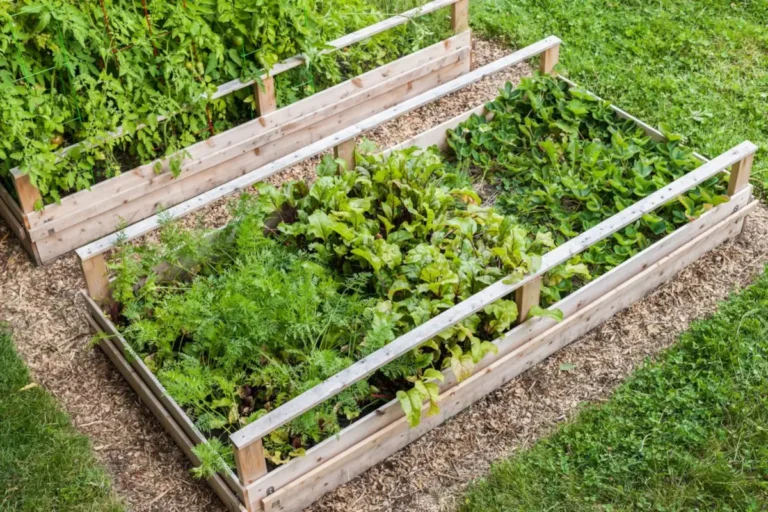
Building a raised garden bed is a practical way to organize your vegetable garden, improve access to your plants, and create a dedicated growing space in your backyard. With a suitable location, durable materials, and the right soil, you can build a bed that fits your garden and your budget.
You don’t need an elaborate design to get started. A simple rectangular wooden bed can work well for many home gardens, provided it is built securely and has adequate drainage.
In this guide, you’ll learn how to build a raised garden bed, choose the right materials, determine its dimensions, prepare the site, and calculate how much soil you’ll need.
Planning your project? Use our Raised Bed Soil Calculator to estimate how much growing medium your new bed will require.
What Is a Raised Garden Bed?
A raised garden bed is a growing area elevated above the surrounding ground and usually contained by a frame. It may be built from untreated wood, suitable metal, masonry, or other materials designed for outdoor use.
Raised beds can help you organize planting areas, manage the growing medium, and create more accessible gardening spaces. They can be particularly useful where the existing ground is difficult to work with.
However, a raised bed is not automatically better than an in-ground garden. The best choice depends on your available space, existing soil, drainage, budget, and the plants you want to grow.
What You Need to Build a Raised Garden Bed
Before starting, gather your materials and tools.
Materials
For a simple rectangular wooden bed, you may need:
- Untreated lumber suitable for outdoor use
- Exterior-rated screws or appropriate fasteners
- Corner supports or stakes, depending on the design
- Suitable soil or raised-bed growing mix
- Finished compost, if appropriate for your chosen mix
- Optional protective equipment for the surrounding area, where needed
Choose materials suitable for a garden that may grow food. Avoid wood or other materials with an unknown treatment history, particularly when they could contact the growing medium.
You do not necessarily need a liner at the bottom of an open-bottom bed. Consider the underlying surface, drainage, and any specific need to protect the structure before adding one.
Tools
Common tools for a basic wooden bed include:
- Measuring tape
- Pencil or marker
- Saw, if lumber needs cutting
- Drill and suitable driver bit
- Level
- Square or straightedge
- Work gloves and eye protection
The exact tools depend on whether you buy pre-cut lumber or cut the pieces yourself.
What Is the Best Size for a Raised Garden Bed?
The best dimensions depend on your available space, reach, intended crops, and desired soil depth.
A 4-by-8-foot bed is a common planning option because it offers a useful growing area. Smaller beds can be easier to manage in compact yards, while several narrow beds may be more practical than one large bed.
Consider these dimensions before building:
Width: Choose a width that lets you reach the center comfortably from the sides. Avoid planning a bed so wide that you must step on the growing soil to maintain it.
Length: Fit the length to your garden and the materials available. Longer beds may need additional structural support depending on the construction.
Height: Select a height that provides adequate root space for your crops. A taller frame also requires more soil and may need stronger construction.
Pathways: Leave enough space between beds to walk, water, weed, and transport tools or soil.
If you’re unsure about depth, read our guide to how deep raised garden beds should be.
How to Build a Raised Garden Bed Step by Step
Follow these steps to plan and assemble a straightforward rectangular wooden bed.
Step 1: Choose a suitable location
Start by choosing a reasonably level location with enough sunlight for your intended plants. Many fruiting vegetables, including tomatoes and peppers, need plenty of direct sunlight to perform well.
Also consider access to a water source, nearby trees, shade from buildings, and the amount of room available for paths.
Check how water moves across the site after rain. A raised bed will not automatically solve a serious drainage problem in the surrounding area.
Step 2: Decide on the dimensions
Measure the available area and decide on the bed’s length, width, and height.
Before buying lumber, draw a simple plan. Include the internal growing area, the thickness of the frame, and the paths around it.
If you intend to grow several types of vegetables, plan the bed around their mature size and spacing requirements rather than the appearance of the seedlings.
Step 3: Select suitable lumber
Choose lumber intended for outdoor use and suitable for a food-growing garden.
Untreated, naturally durable wood is one option. Other materials may also be appropriate if their composition and intended use are clear.
Compare durability, price, availability, and the amount of maintenance each material may require. The cheapest lumber is not always the most economical option if it deteriorates quickly.
Avoid salvaged materials with unknown chemical treatments or contamination risks.
Step 4: Prepare the ground
Remove grass and persistent weeds from the area where the bed will sit. Level the site as needed so the frame rests securely.
If the bed will sit directly on suitable garden soil, consider the condition of the ground beneath it. Compacted soil may need attention before the bed is filled.
If the bed will sit on concrete or paving, plan for drainage before construction. Water must be able to escape, and the structure must be suitable for the weight of wet growing medium.
Step 5: Assemble the frame
Arrange the boards on a level surface according to your plan. Secure the corners with suitable screws, fasteners, or supports.
Check that the corners are square and the sides are aligned. If the bed is long or tall, consider whether it needs additional bracing to resist outward pressure from the soil.
Follow the instructions for the lumber and fasteners you use. Avoid assuming that every board thickness or screw size will be suitable for every bed design.
Step 6: Position and check the bed
Move the assembled frame into the prepared location, if it is practical to do so.
Use a level to check the frame. Make any necessary adjustments before adding soil, because correcting a poorly positioned bed becomes more difficult once it is full.
Confirm that you can reach the planting area and that the pathways remain accessible.
Step 7: Plan the growing medium
Choose a suitable soil or raised-bed mix based on the crops, the condition of the ground beneath the bed, and your budget.
For many vegetable gardens, a suitable blend may include quality topsoil and finished compost. The right proportions depend on the ingredients, so don’t assume that every bed needs the same recipe.
Read our guide to the best soil for raised garden beds before choosing your materials.
Step 8: Calculate how much soil you need
Measure the inside length and width of the bed and the intended soil depth.
For a rectangular bed:
Soil volume = length × width × depth
Use the same unit for all three measurements.
For example, a bed measuring 4 feet long, 2 feet wide, and 1 foot deep needs:
4 × 2 × 1 = 8 cubic feet of soil.
This is the geometric volume before allowing for settling or accounting for any material already in the bed.
Use our Raised Bed Soil Calculator to estimate the amount for your actual dimensions.
Step 9: Fill the bed
Add the growing medium evenly. If you’re combining separate ingredients, mix them as evenly as practical rather than leaving large pockets of a single material.
Avoid compacting the soil by walking on it. Water gently after filling and check whether the surface settles.
Leave enough room at the top for watering without spilling soil over the sides.
Step 10: Plant and maintain your garden
Choose crops suitable for your climate, growing season, sunlight, and available space.
Follow the recommended planting depth and spacing for each variety. Water consistently while plants establish themselves, and monitor the soil as the season progresses.
As organic matter breaks down and the mix settles, top up the bed with suitable growing medium when needed.
Watch: Raised Garden Bed Building Video
Prefer watching a demonstration before starting your project? Watch this video for a visual reference as you plan your raised garden bed.
As you watch, consider your bed’s dimensions, the materials you’ll use, and how you’ll provide adequate drainage. Your final design should suit your garden space and the vegetables you plan to grow.
How Much Does It Cost to Build a Raised Garden Bed?
The cost depends on the dimensions, materials, soil volume, tools you already own, and whether you build the bed yourself.
Your main expenses may include:
- Lumber or alternative framing material
- Screws and structural supports
- Soil or raised-bed mix
- Compost or other suitable amendments
- Delivery fees for bulk materials
- Tools you do not already have
To keep costs manageable, choose dimensions that use available lumber efficiently, compare material prices, and calculate soil volume before ordering.
Avoid cutting costs by using questionable reclaimed materials or unsuitable fill in a bed intended for growing food.
For a more complete budget, use our Garden Cost Calculator to help plan your project expenses.
Common Raised Garden Bed Building Mistakes
Making the bed too wide
A bed that is difficult to reach across can encourage you to step on the growing medium, which may compact it. Choose a width that works for your reach and the available pathways.
Choosing the wrong location
Insufficient sunlight, difficult access to water, and poor drainage can make a well-built bed frustrating to maintain. Assess the location before assembling the frame.
Underestimating soil requirements
A larger or deeper bed can require considerably more soil than expected. Calculate the volume using the internal dimensions before placing an order.
Using unsuitable materials
Materials with unknown treatments or contamination may be inappropriate for food gardening. Choose materials whose composition and intended use are clear.
Ignoring drainage
Excess water needs a suitable route out of the bed. This is especially important when building on concrete, paving, or another impermeable surface.
Forgetting about plant spacing
A bed may look spacious when empty but become crowded as plants mature. Plan for the final size of your crops, not just the space taken up by seedlings.
Frequently Asked Questions
Is it cheaper to build your own raised garden bed?
It can be cheaper than buying a ready-made bed, particularly if you already own the necessary tools and can purchase materials efficiently. However, compare the total cost of lumber, fasteners, soil, delivery, and your time before deciding.
What is the best wood for a raised garden bed?
Suitable untreated, naturally durable wood is one option. Other materials may work depending on their composition and intended use. Consider outdoor durability and food-garden suitability when choosing.
Should a raised garden bed have a bottom?
Not always. An open-bottom bed placed on suitable ground allows roots to extend into the soil below and lets water drain into the ground. Beds on hard surfaces need a different drainage plan.
Do I need to remove grass before building a raised bed?
You should manage the grass and persistent weeds beneath the bed so they do not compete with your crops. The best method depends on the site, the bed design, and whether roots need access to the ground below.
How deep should a raised garden bed be?
The required depth depends on the crops and the underlying surface. Some plants can grow in relatively shallow soil over suitable ground, while other crops or beds placed on concrete need more growing depth. See our detailed guide to raised garden bed depth.
How much soil does a 4-by-8-foot raised bed need?
At a soil depth of 12 inches, a 4-by-8-foot rectangular bed needs 32 cubic feet of soil, or approximately 1.19 cubic yards. A deeper bed needs more. Measure the inside dimensions and intended fill depth for your project.
Can I build a raised garden bed on concrete?
Yes, provided the design supplies enough growing depth, allows excess water to drain, and is suitable for the weight of the filled bed. Choose plants that fit the available root space.
Start Planning Your Raised Garden Bed With Leaf & Lodge
Building a raised garden bed becomes easier when you plan the location, dimensions, materials, and growing medium before starting construction.
Measure your space, choose a suitable design, calculate the soil volume, and select materials appropriate for your garden.
Use these free Leaf & Lodge tools and guides to plan your project:
- Raised Bed Soil Calculator — estimate the amount of soil required.
- Garden Cost Calculator — plan your project budget.
- Raised Bed Planting Calculator — plan your planting layout.
- Best Soil for Raised Garden Beds — choose a suitable growing mix.
- How Deep Should Raised Garden Beds Be? — choose a practical soil depth.
With a little preparation, you can build a raised garden bed that fits your space and gives your plants a suitable place to grow.
Leaf & Lodge provides general gardening information. Building requirements, material suitability, and growing conditions vary by site. Follow product instructions and local guidance when selecting materials and constructing your garden bed.
Final Takeaway
Use the guidance above as a practical starting point, then adjust for your space, climate, materials, and project goals.